Author Archives: Gaia Fior

3D-Printed Floating Objects

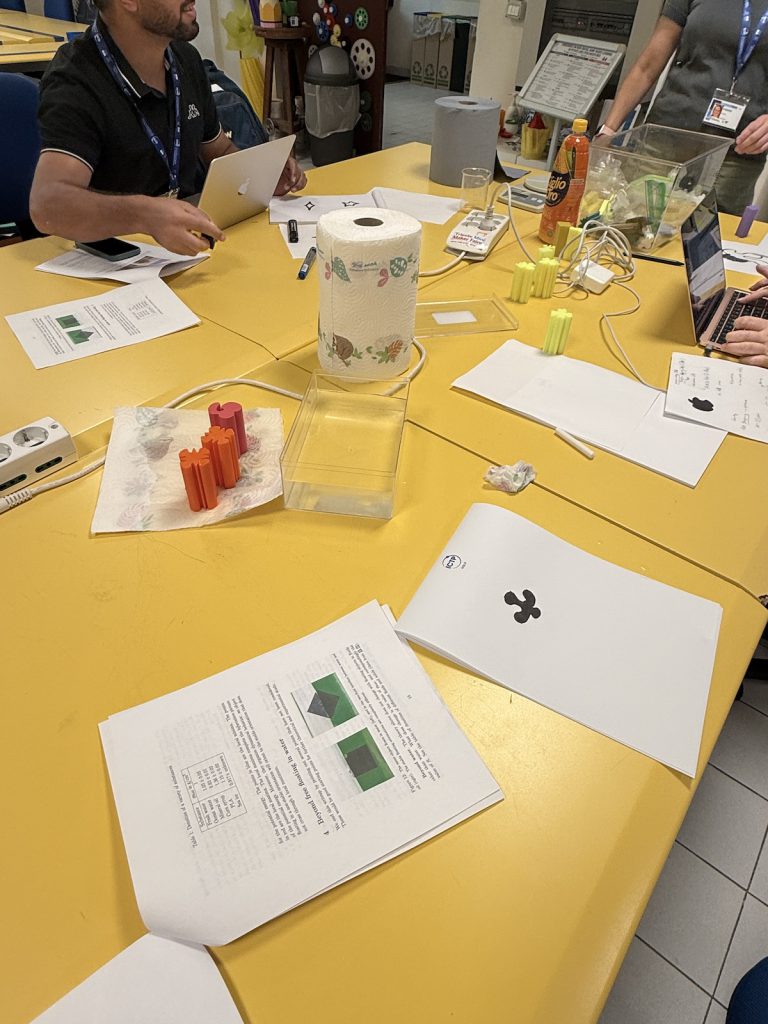
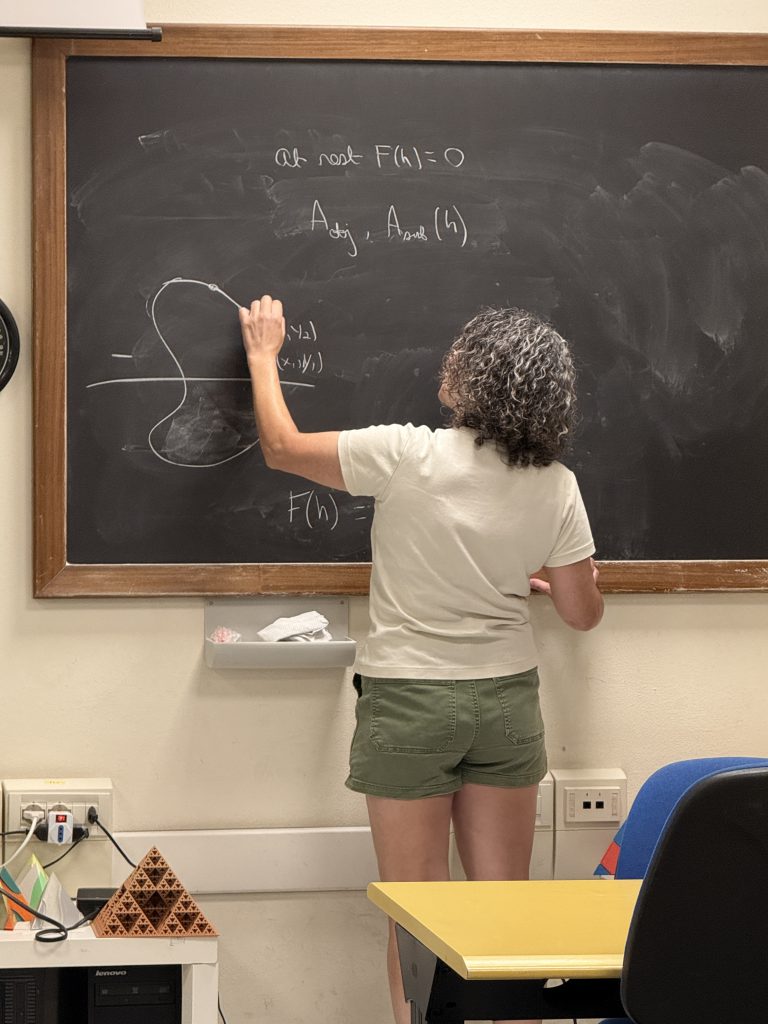
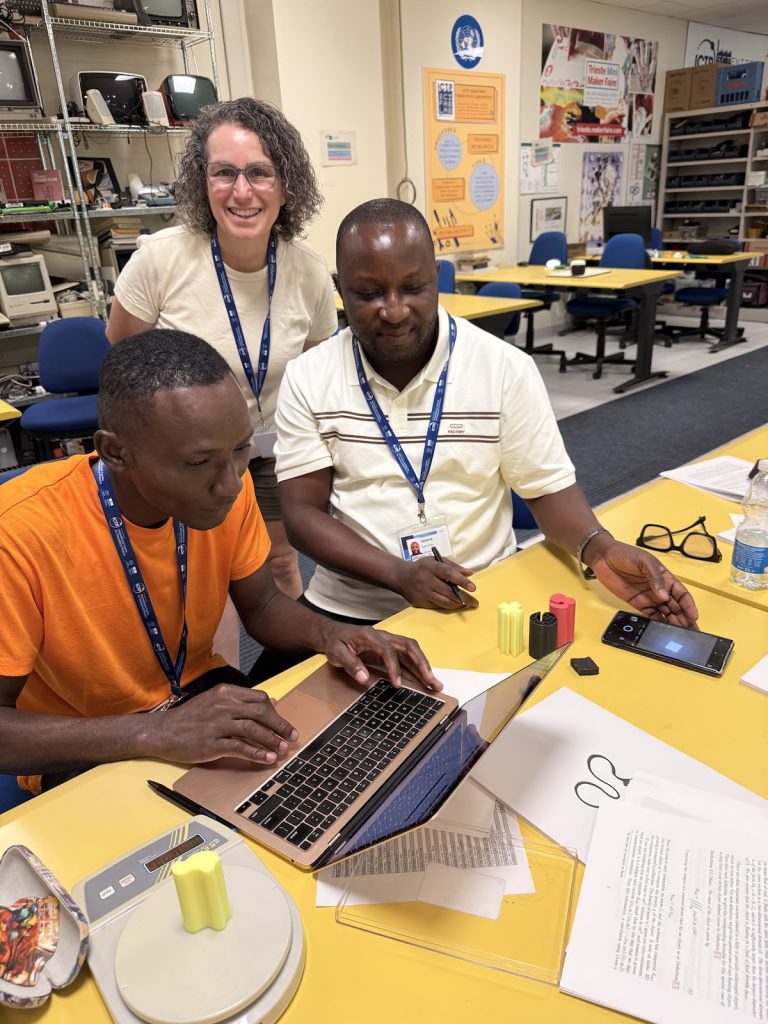
In the past two weeks at the SciFabLab we had the pleasure of hosting one of the activities of the Hands-On Research in Complex Systems School.
The school aims at providing early stage researchers with interactive experiences of hands-on research involving table-top experiments with computer data acquisition and modeling.   
In our lab we hosted the activities led by professor Evelyn Sander from George Mason University, USA: Professor Sander focusing on 3D-Printed Floating Objects.
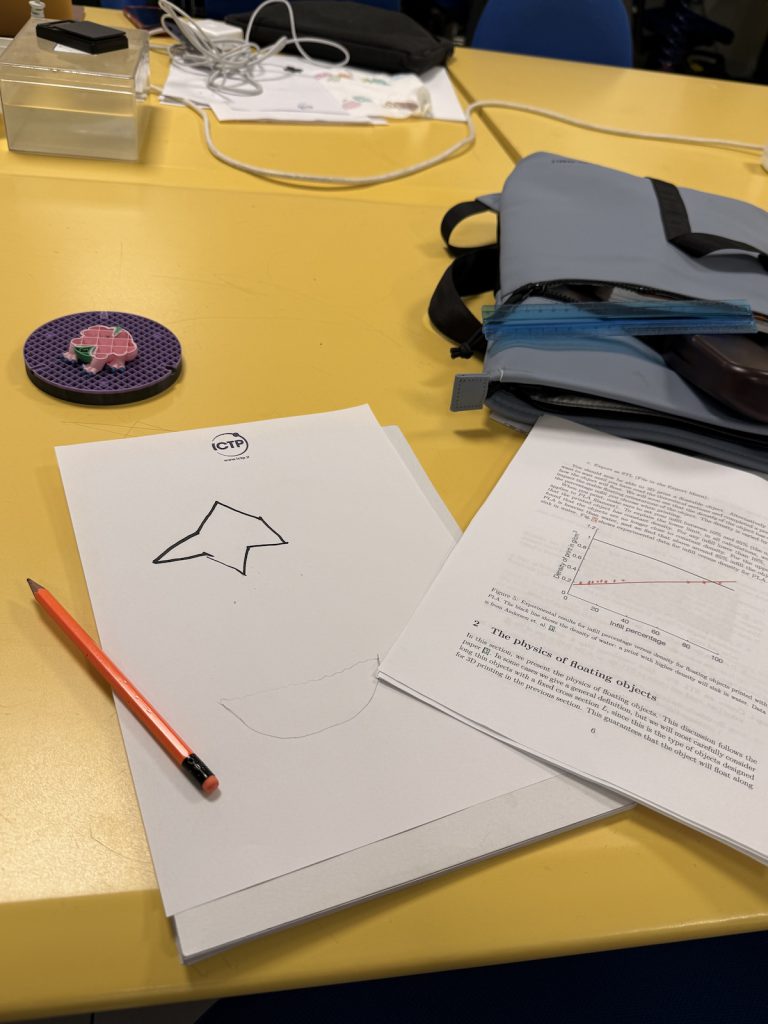
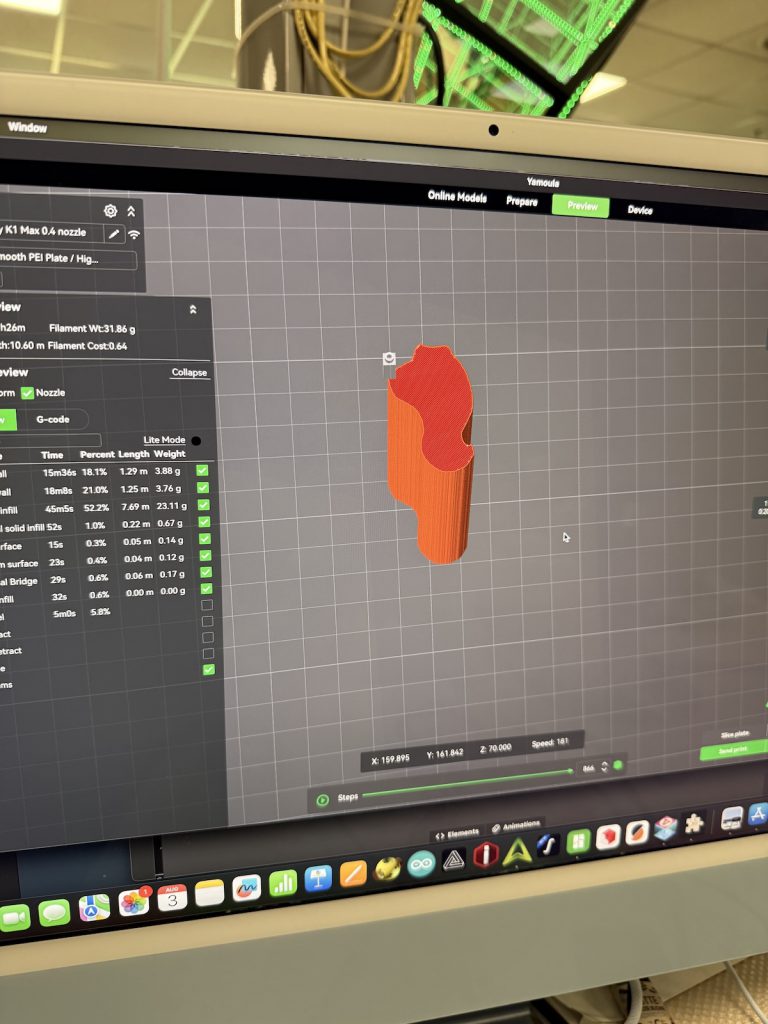
The students designed a 2d shape, that was then transformed into a 3d object through Matlab and OpenSCAD,
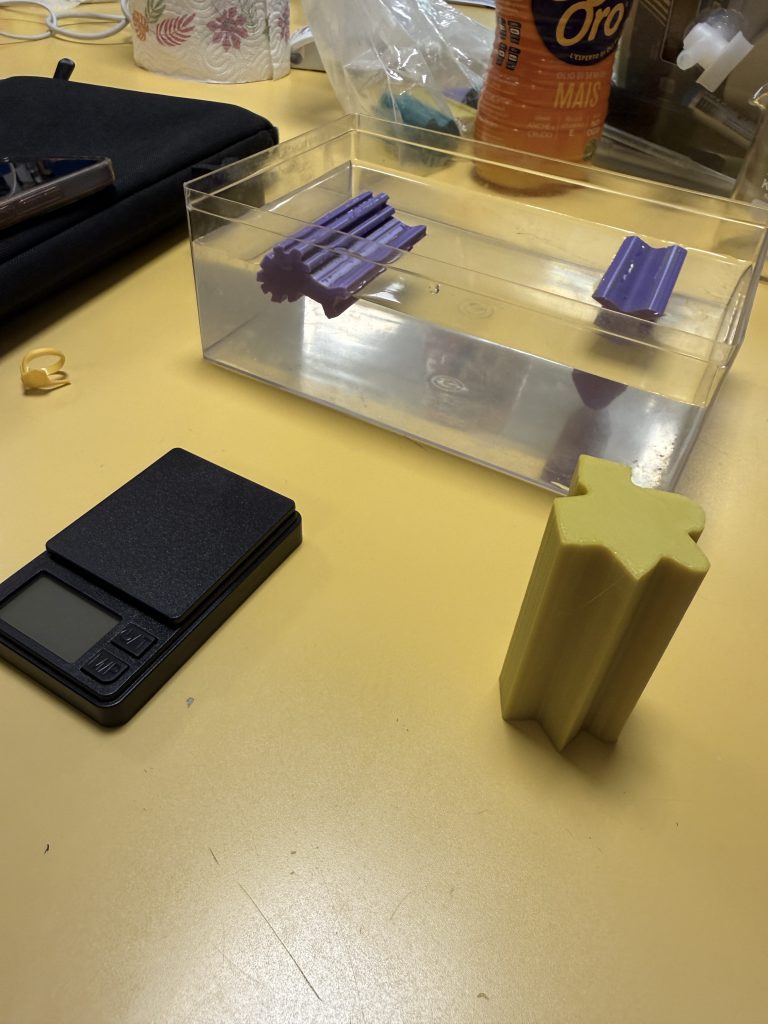
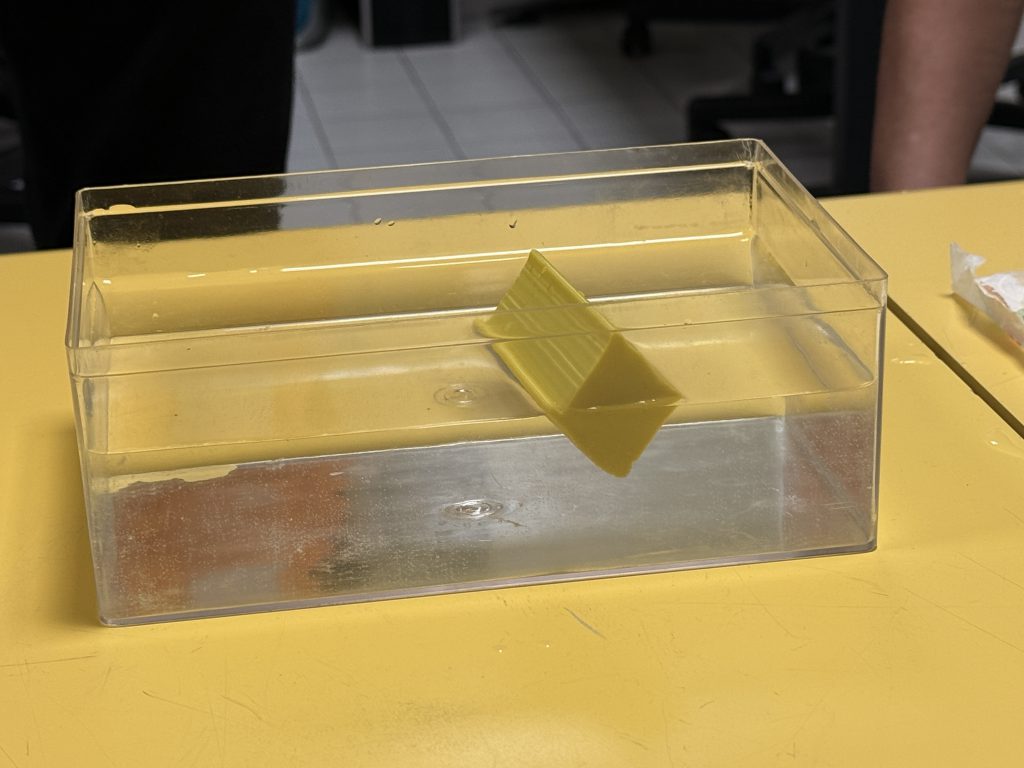
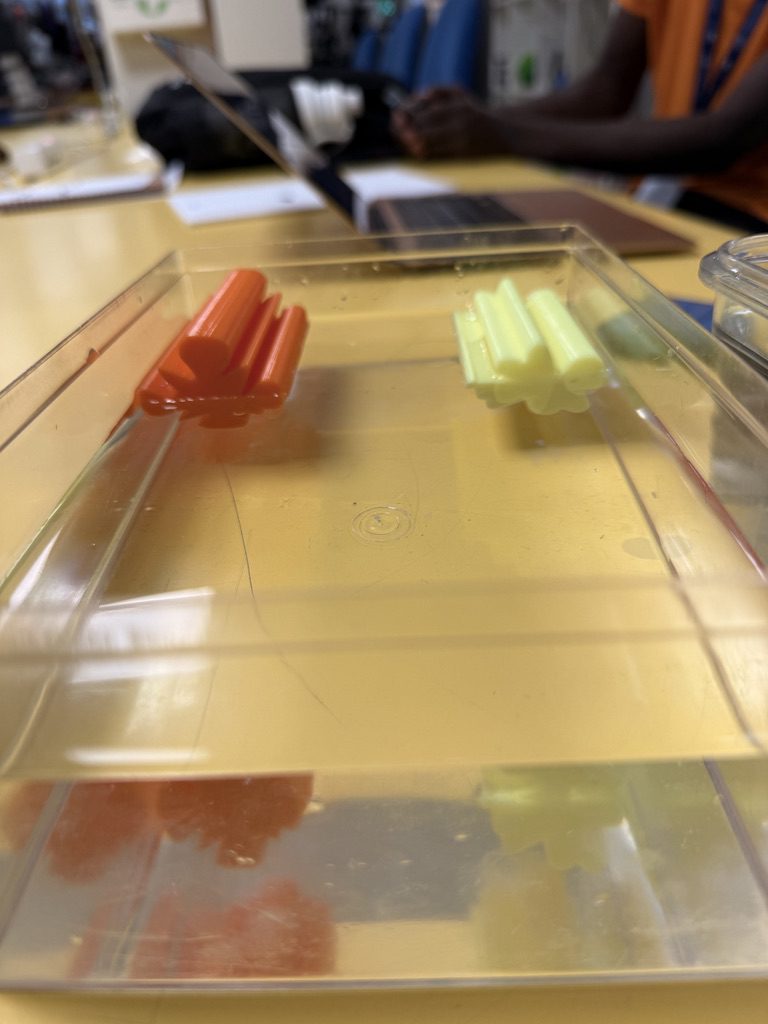
then by adjusting the infill density in the slicer, they obtained a 3d printed object with a specific density. This was then placed in a water tank to identify the stable and unstable floating orientations and compare them to the predicted ones, testing them when possible also in the two-fluid interface between oil and water to see the different results.
We printed 26 different objects, and we were delighted to assist the students in their analysis.
More information on this activity can be found here
Proceedings of Symposia in Applied Mathematics: 3D Printing in Mathematics
https://esander1789.github.io/publication/ABCNS23
Chiusura per Pasqua!

The Fablab would like to wish Happy Easter Holidays to everyone!

We will be open regularly on Thursday 29, but the SciFabLab will be closed on Saturday 31 march. See you all on Tuesday 3!

Saremo aperti come al solito  giovedì 29, ma lo SciFabLab resterà chiuso sabato 31 marzo.

Ci rivediamo martedì 3 aprile!

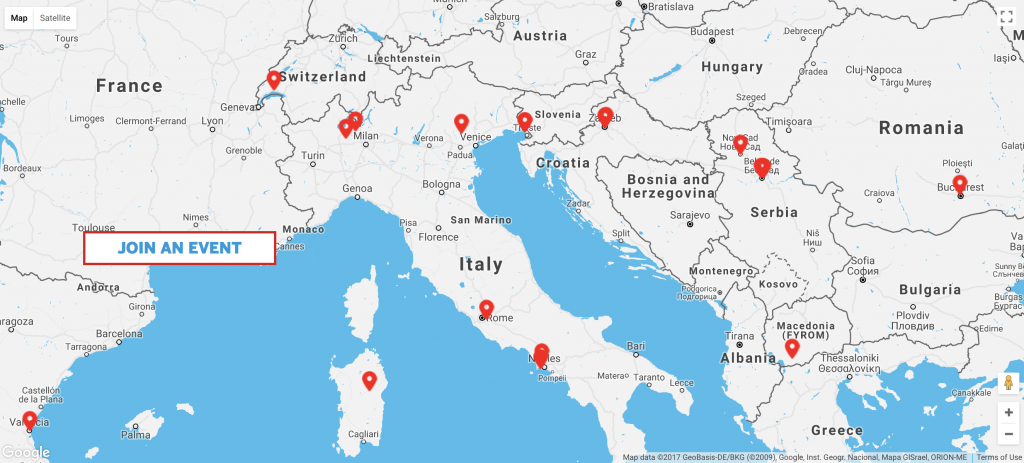
Lo SciFabLab celebra la European Maker Week

In occasione della European maker week lo SciFabLab apre le porte a tutti con conferenze, laboratori e attività in pieno stile maker, aperte a tutto il pubblico e gratuite.

Durante la giornata di lunedì 23 ottobre si terrà una conferenza internazionale (in lingua inglese, aperta al pubblico) su “Science Dissemination for the Disabled”, che tratterà di tecnologie aperte per creare e disseminare contenuti scientifici per tutti di come facilitare l’accesso alla scienza per le persone disabili. Programma e info.

Il martedì 24 ottobre si terrà invece una mattinata di studi (in lingua inglese, aperta al pubblico) su “Scientific Fabrication Laboratories“, volta ad analizzare e supportare la realizzazione di FabLab scientifici in aree remote. Programma e info.

Il mercoledì 25 ottobre si proseguirà con il workshop (in lingua inglese, aperto al pubblico) “Virtual Reality technologies and tools“, organizzato in collaborazione con Trieste Film Festival/Associazione Alpe Adria Cinema e Contaminazioni Digitali. Una giornata di laboratori e dimostrazioni pratiche sulla realtà virtuale e sui software di produzione di video a 360°. Programma e info.

Chiuderemo il sabato 28 ottobre, quando dalle 15 alle 21 saremo in FabLab per un’Open day, pronti a rispondere alle vostre curiosità e a mostrarvi i nostri progetti. Ma ci sarà spazio anche per workshop (in italiano) su Arduino, conferenze, laboratori di stampa 3D…

Stay tuned!


MegaBreadboard 1.0

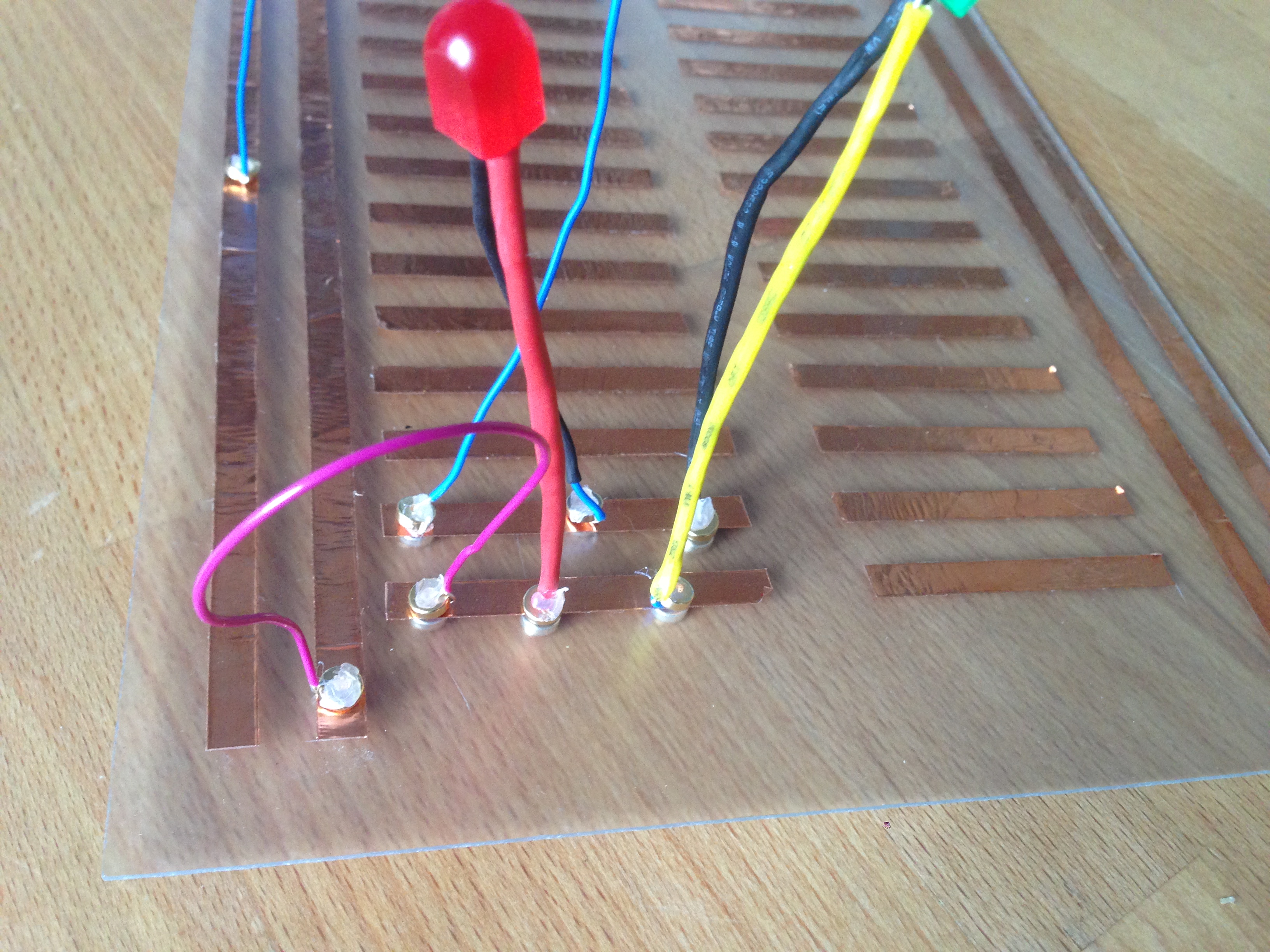
The new equipment available at ICTP SciFabLab was a great opportunity to move my project from plain copper tape and acrylic to a nice refined wooden base with engravings.

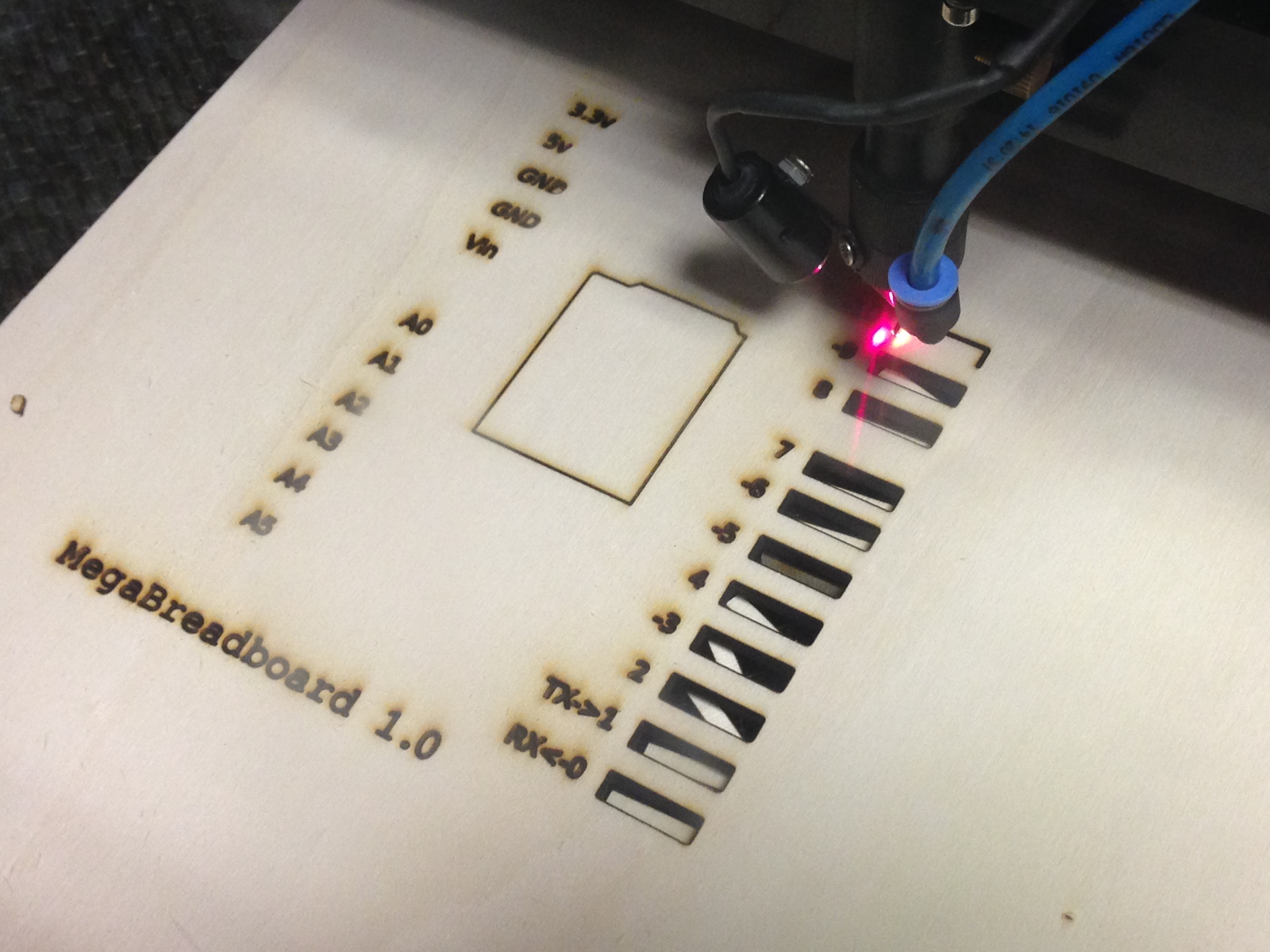
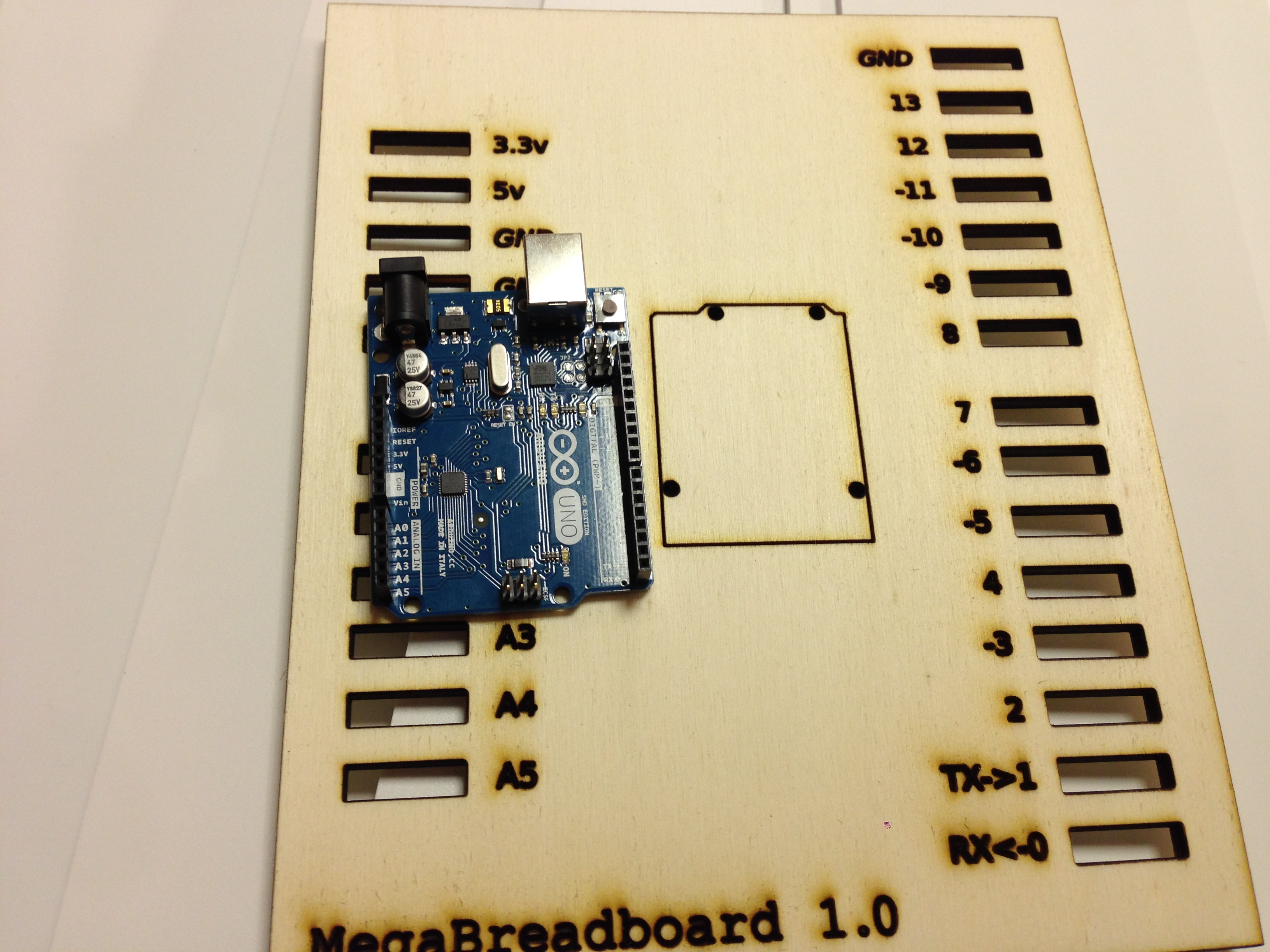
So, after installing and getting to know my way round with Inkscape, I managed to draw a very simple version of my Breadboard, with slots for the magnets and engravings with all the info on the various pins.

IMG_8152 IMG_8150

But something went wrong with my measurements and it turned out way too small… and with no intelligent way to route the wires…

IMG_8153

Back to the drawing board!


Mega breadboard, let’s start

Sometimes ideas just linger in the back of your head for a long time before being really brought to life other times you are obliged to get from idea to prototipe in a short time.

This is what happened with this idea, that just flashed into my mind a couple of days before the deadline for the entries to the Rome maker faire and after getting approved HAD to be done.

While teaching electronics to children I found out that the real problem was the hardware, more than the software. Breadboards are a great tool but you need a lot of attention to get all the connections right and small fingers are not that good at doing it. So how about a bigger breadboard? Maybe with an easier way of connecting stuff?

This is how the first rough prototipe was born, but then came the SciFabLab with the lasercutter…

IMG_7215